Quick Reference
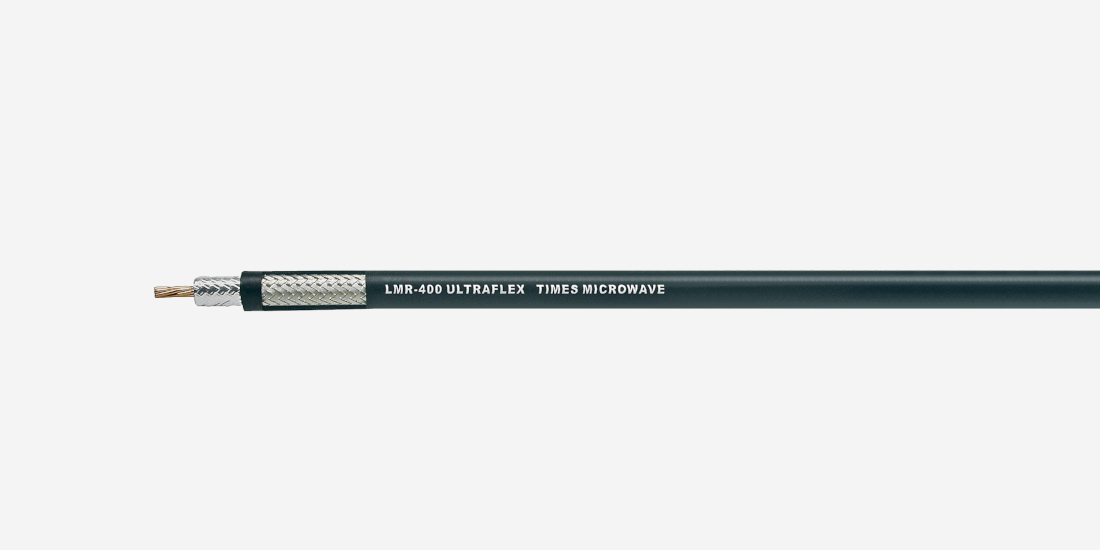
LMR400 ULTRA FLEX Times Coaxial Cable
50 Ohm • DC – 6 GHz
LMR-400-UltraFlex delivers the same industry-leading low-loss performance as standard LMR-400 but with a stranded center conductor and more flexible jacket. Practical for mobile platforms, rooftop cellular installs, and dense equipment racks where stiff hardline cable would be difficult to route without damage.
LMR400 ULTRA FLEX Times Attenuation
Signal loss in dB per 100 ft at standard RF frequencies.
| Frequency | Loss / 100 ft | Loss / ft | 6 ft | 25 ft | 50 ft | 100 ft |
|---|---|---|---|---|---|---|
| 100 MHz | 1.6 dB | 0.016 dB | 0.1 dB | 0.4 dB | 0.8 dB | 1.6 dB |
| 450 MHz | 3.5 dB | 0.035 dB | 0.21 dB | 0.88 dB | 1.75 dB | 3.5 dB |
| 900 MHz | 5 dB | 0.05 dB | 0.3 dB | 1.25 dB | 2.5 dB | 5 dB |
| 1.8 GHz | 7.2 dB | 0.072 dB | 0.43 dB | 1.8 dB | 3.6 dB | 7.2 dB |
| 2.4 GHz | 8.4 dB | 0.084 dB | 0.5 dB | 2.1 dB | 4.2 dB | 8.4 dB |
| 5.8 GHz | 13.8 dB | 0.138 dB | 0.83 dB | 3.45 dB | 6.9 dB | 13.8 dB |
LMR400 ULTRA FLEX Times Power Handling
Approximate maximum continuous power (CW) at 25°C ambient.
| Frequency | Max Power (W) |
|---|---|
| 100 MHz | 460 W |
| 450 MHz | 200 W |
| 900 MHz | 135 W |
| 1.8 GHz | 92 W |
| 2.4 GHz | 78 W |
| 5.8 GHz | 45 W |
Construction & Materials
Center Conductor
Stranded bare copper, 2.74mm
The center conductor carries the RF signal. Material and diameter affect DC resistance, skin effect losses, and overall attenuation.
Dielectric
Foamed PE
The dielectric insulator separates the center conductor from the shield. PTFE dielectrics offer superior temperature stability and lower loss versus polyethylene.
Shield
Aluminum foil + tinned copper braid
The outer conductor provides the return path and shields the signal from external interference. More braid coverage means better EMI rejection.
Jacket
PVC
The outer jacket protects the cable from physical damage, UV, chemicals, and moisture. PTFE and FEP jackets handle higher temperatures than PVC.
Velocity Factor
83% (c)
How fast the signal travels relative to the speed of light in vacuum. Higher velocity factor means shorter electrical wavelength per foot — important for phased array and delay-matched applications.
Max Voltage
600 VRMS
The maximum continuous operating voltage. Exceeding this can cause dielectric breakdown. Relevant for high-power transmitters and pulse applications.
Available LMR400 ULTRA FLEX Times Assemblies
Choose a connector combination to see pricing and order. All assemblies are hand-built and ship free within the USA.
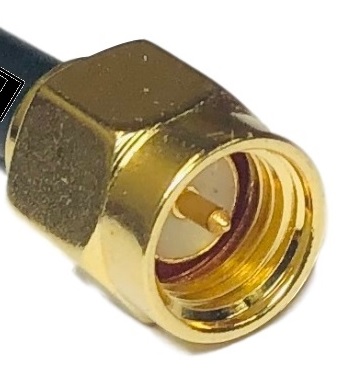
SMA MALE to SMA MALE
From $29.98

SMA FEMALE to SMA MALE
From $29.98

RP-SMA MALE to SMA MALE
From $29.98
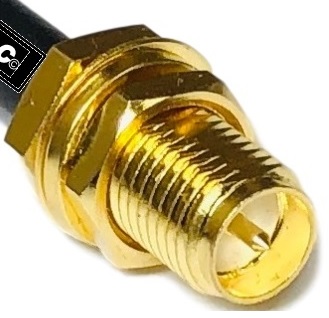
RP-SMA FEMALE to SMA MALE
From $29.98
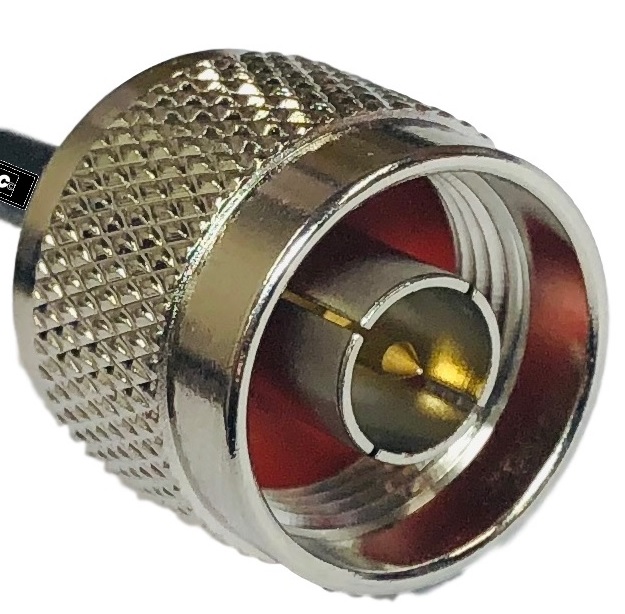
N MALE to SMA MALE
From $30.48
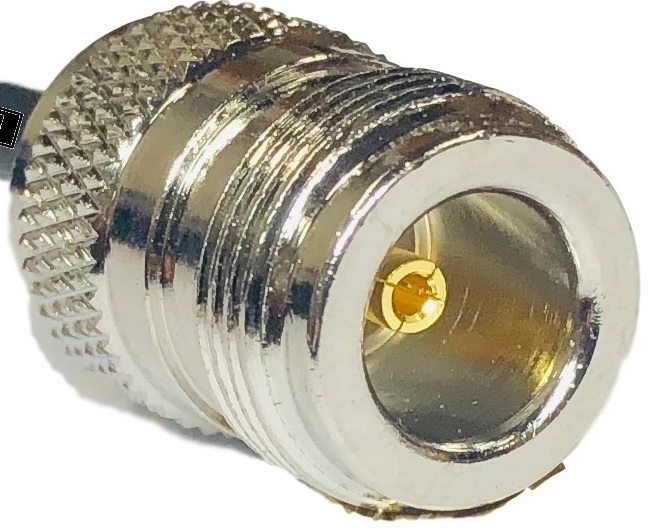
N FEMALE to SMA MALE
From $30.48
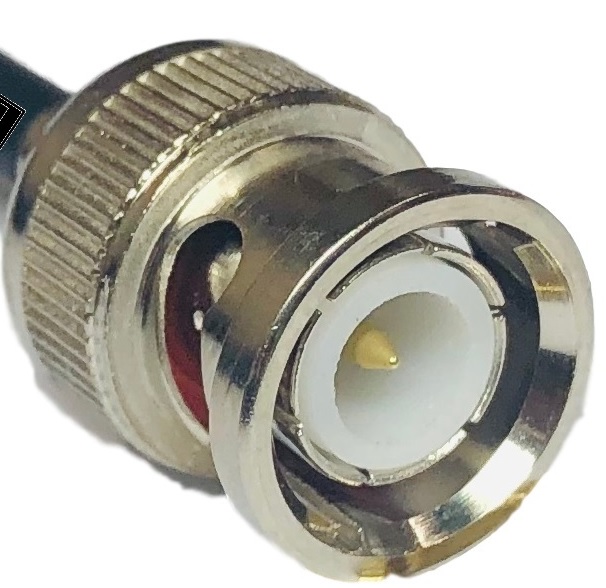
BNC MALE to SMA MALE
From $30.98
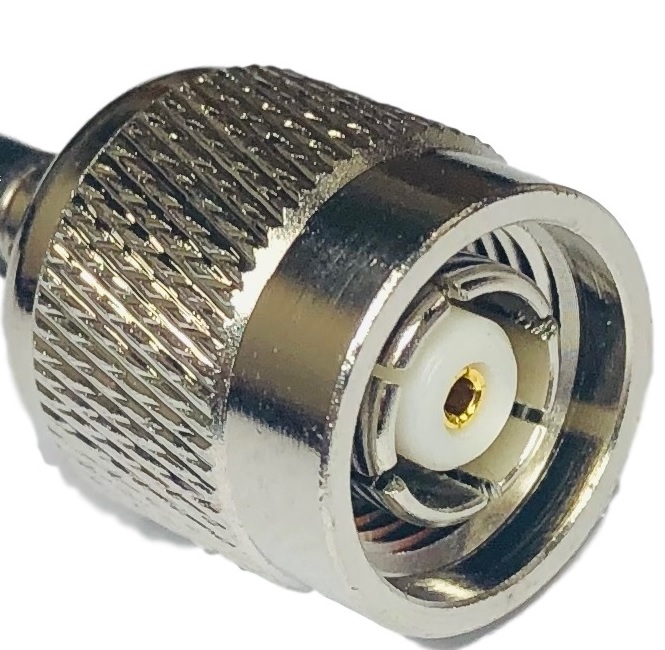
RP-TNC MALE to SMA MALE
From $29.98
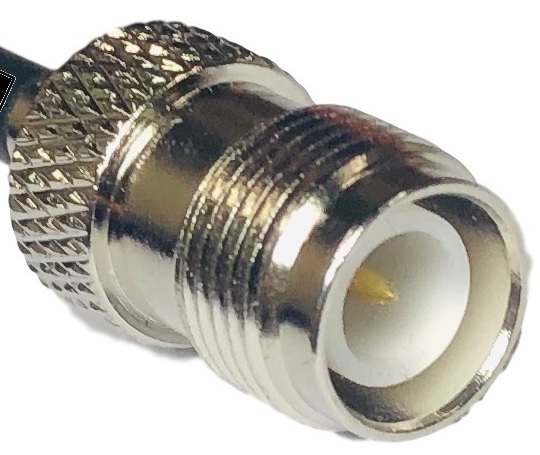
RP-TNC FEMALE to SMA MALE
From $29.98
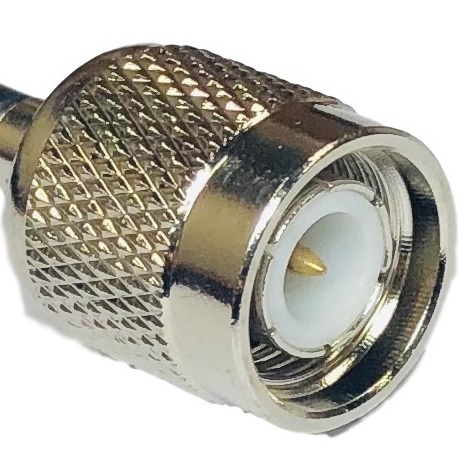
SMA MALE to TNC MALE
From $29.98
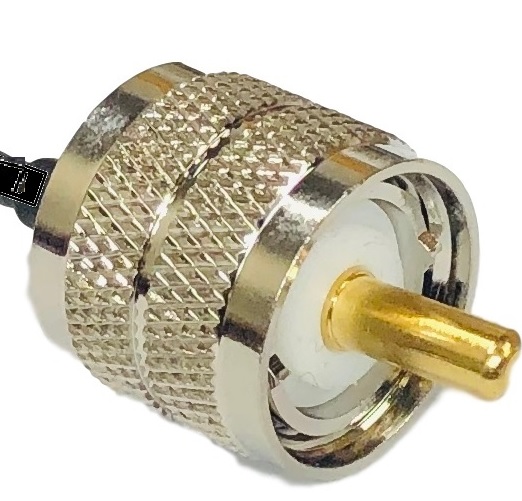
PL259 UHF Male to SMA MALE
From $31.98
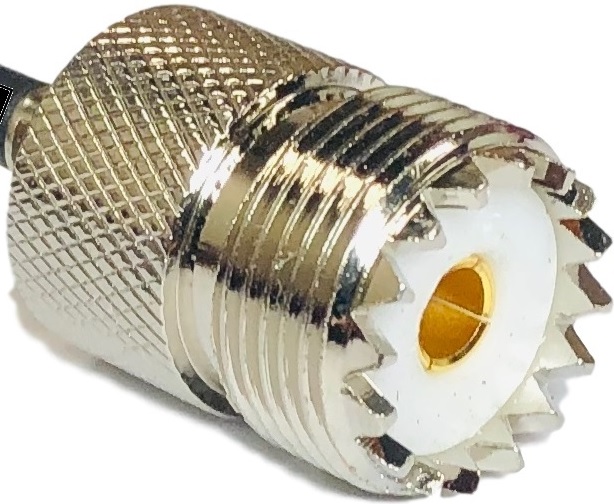
SMA MALE to SO239 UHF Female
From $31.98
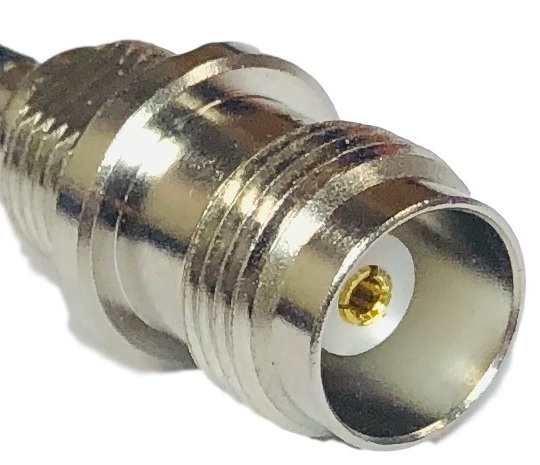
SMA MALE to TNC FEMALE
From $29.98
SMA FEMALE to SMA FEMALE
From $29.98
RP-SMA MALE to SMA FEMALE
From $29.98
RP-SMA FEMALE to SMA FEMALE
From $29.98
N MALE to SMA FEMALE
From $30.48
N FEMALE to SMA FEMALE
From $30.48
73 more configurations available on the LMR400 ULTRA FLEX Times page.
Frequently Asked Questions
What is the impedance of LMR400 ULTRA FLEX Times?
LMR400 ULTRA FLEX Times is a 50 Ohm coaxial cable. All standard RF systems (antennas, transceivers, test equipment) use 50-ohm impedance, so LMR400 ULTRA FLEX Times connects directly without any matching network.
What frequency range does LMR400 ULTRA FLEX Times support?
LMR400 ULTRA FLEX Times is rated DC – 6 GHz. At higher frequencies, the attenuation per foot increases, so actual usable range depends on acceptable signal loss for your application.
How much signal loss does LMR400 ULTRA FLEX Times have?
LMR400 ULTRA FLEX Times has 1.6 dB of attenuation per 100 ft at 100 MHz, rising to 13.8 dB per 100 ft at 5.8 GHz. Use the attenuation table above to calculate loss for any specific length and frequency.
Are CoaxRF LMR400 ULTRA FLEX Times cable assemblies made in the USA?
Yes. Every LMR400 ULTRA FLEX Times assembly is hand-terminated and continuity tested at our US facility. We build each cable to order — nothing is pre-made or drop-shipped from overseas.
Can I order a custom length of LMR400 ULTRA FLEX Times?
Yes. In addition to our standard lengths (1, 6, 25, 50, 100 ft and longer), we accept custom-length orders through the Cable Builder. Custom assemblies ship within 1–2 business days.