Technical Library
RF Connector & Cable Guides
Deep-dive technical articles on every connector and cable we stock — specifications, use cases, installation tips, and side-by-side comparisons.
Connector Guides
33 families coveredHistory, specs, mating details, use cases, installation tips, and compatible cables for every RF connector type we carry.
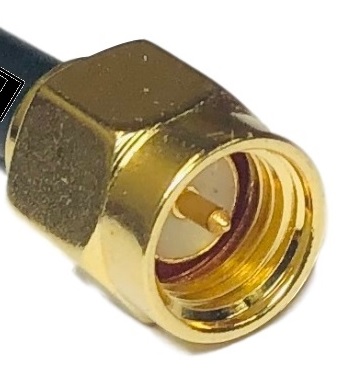
SMA Connector
50-ohm threaded, DC–18 GHz. Lab gear, SDRs, GPS, cellular.
Guide →
RP-SMA Connector
Reverse-polarity SMA. WiFi routers and access points.
Guide →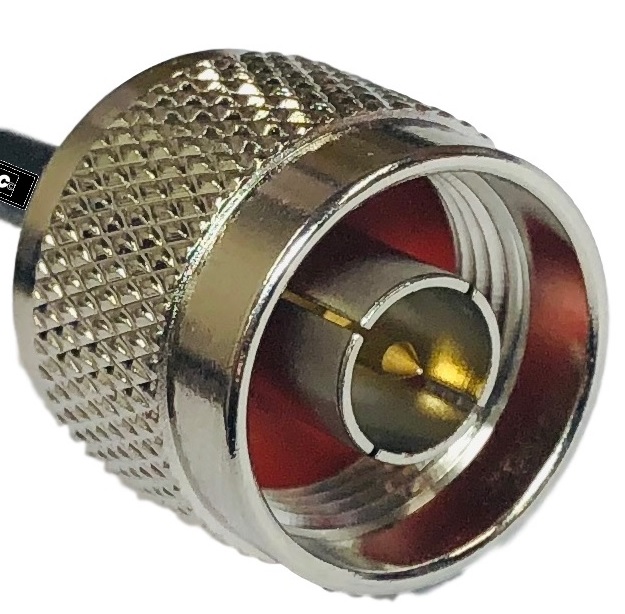
N-Type Connector
Weatherproof, DC–11 GHz. Outdoor cellular and base stations.
Guide →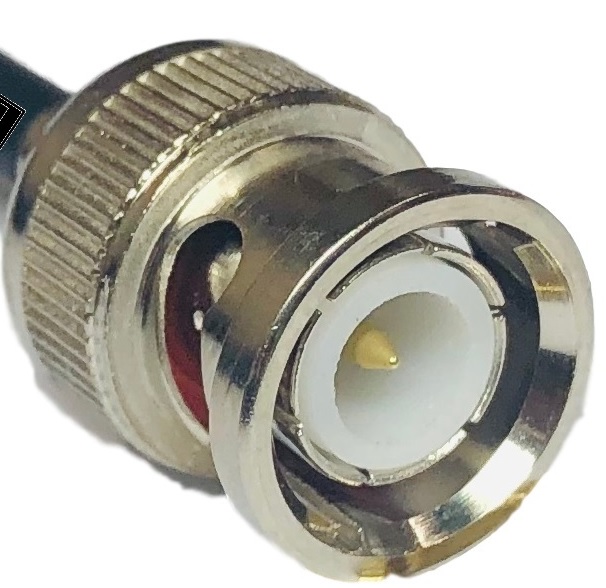
BNC Connector
Bayonet lock. Test equipment, video, two-way radios.
Guide →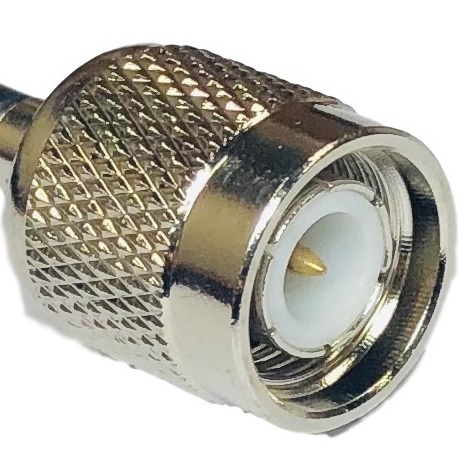
TNC Connector
Threaded BNC, DC–11 GHz. Aviation, military, outdoor.
Guide →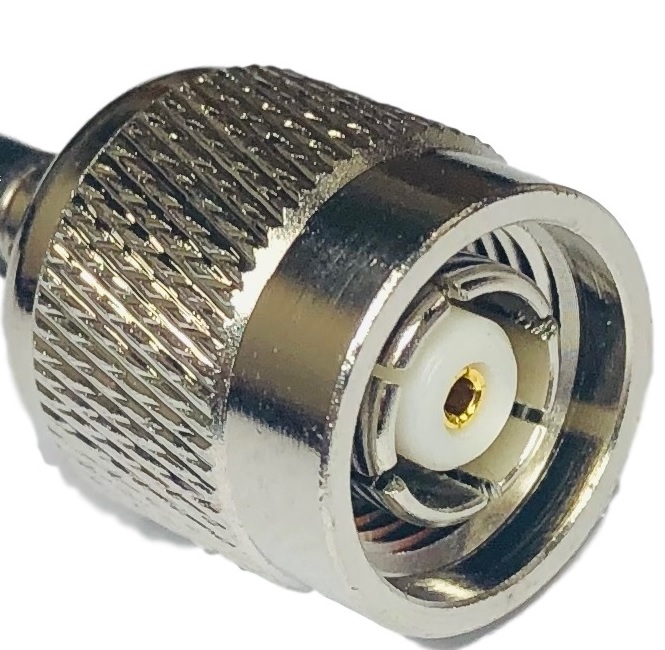
RP-TNC Connector
Reverse-polarity TNC. Legacy Cisco/Linksys wireless gear.
Guide →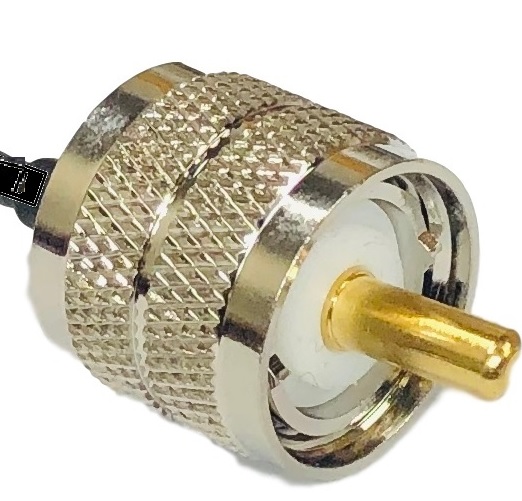
UHF / PL-259
PL-259 / SO-239. Classic ham radio and CB feedlines.
Guide →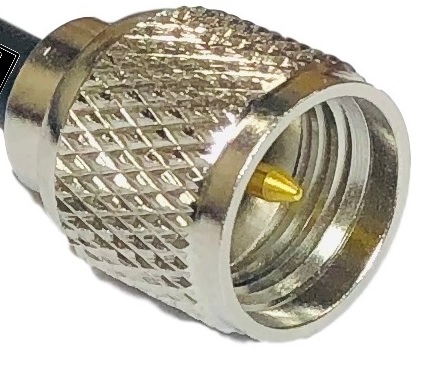
Mini-UHF Connector
Compact UHF for cellular handsets and vehicle antennas.
Guide →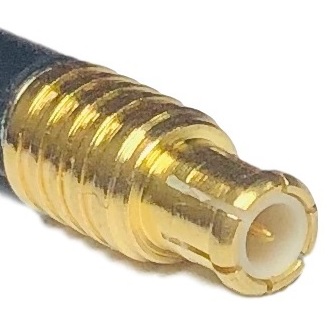
MCX Connector
Snap-on miniature. GPS, automotive telematics, DC–6 GHz.
Guide →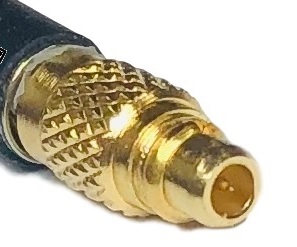
MMCX Connector
Micro snap-on. M.2 WiFi cards, Bluetooth, wearables.
Guide →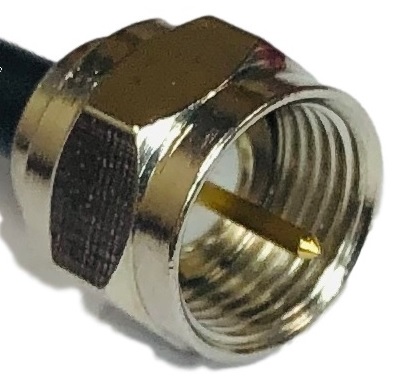
F-Type Connector
75-ohm threaded. Cable TV, satellite, modems, OTA tuners.
Guide →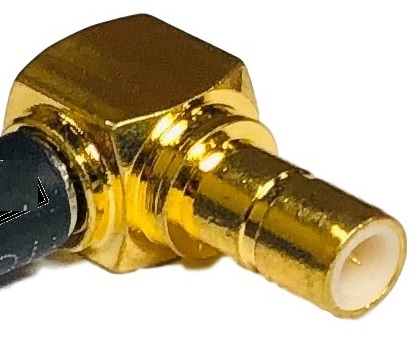
SMB Connector
Snap-on, DC–4 GHz. Telecom, GPS timing, instrumentation.
Guide →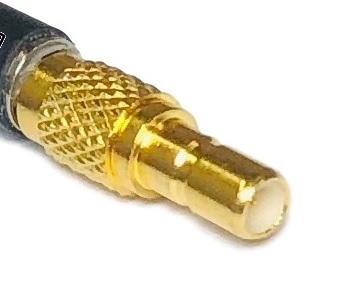
SSMB Connector
Sub-SMB snap-on. Miniaturized telecom and telematics.
Guide →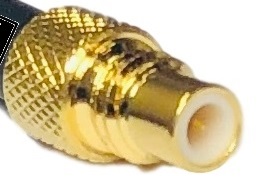
SMC Connector
Threaded subminiature. Secure coupling for vibration environments.
Guide →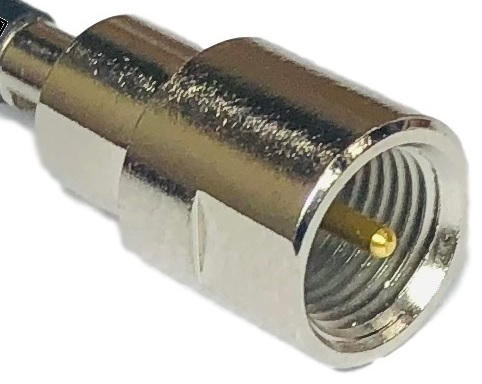
FME Connector
Threaded mini. Vehicle roof antennas, SiriusXM, cellular.
Guide →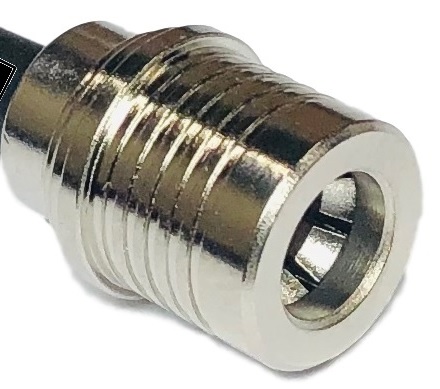
QMA Connector
Quarter-turn snap-lock N-type alternative. DAS and base stations.
Guide →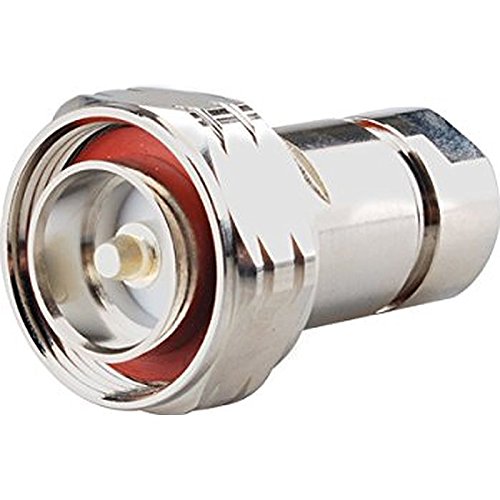
7/16 DIN Connector
High-power, low-PIM. Broadcast towers and macro cell sites.
Guide →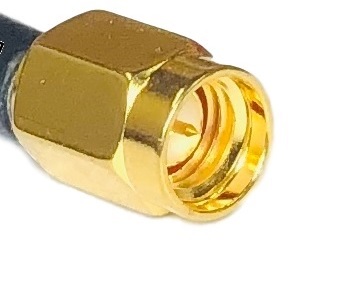
SSMA Connector
Sub-SMA threaded. Ultra-thin cables to 40 GHz.
Guide →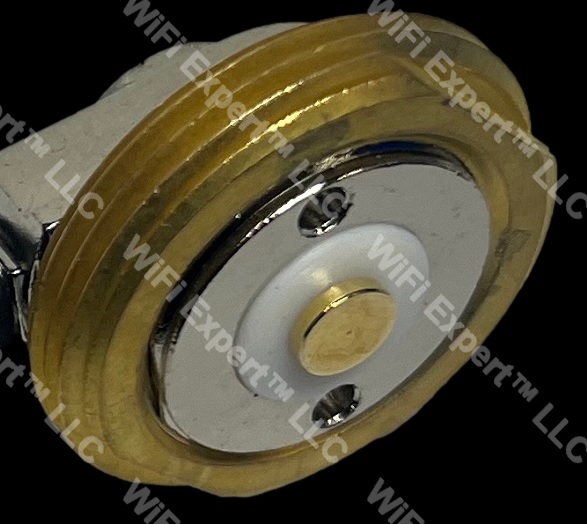
IPX / U.FL Connector
Tiny surface-mount snap. Internal laptop and router antennas.
Guide →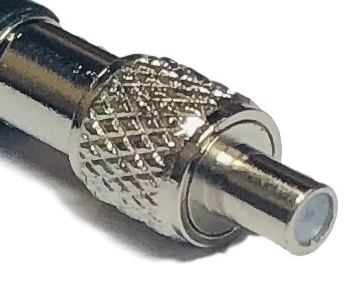
TS-9 Connector
Snap-on. Netgear, Sierra, Novatel cellular modems.
Guide →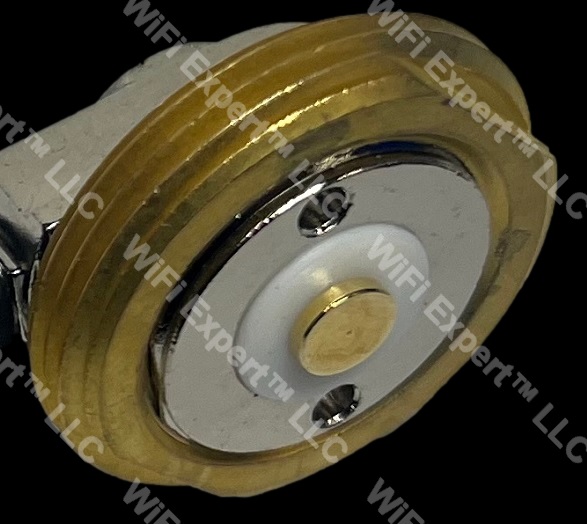
NMO Mount
3/4" roof-mount base for mobile vehicle antennas.
Guide →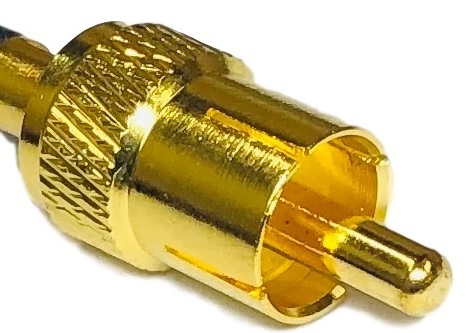
RCA Connector
Phono plug used as RF on CB and some amateur radio antennas.
Guide →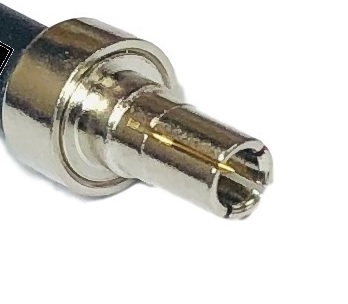
CRC9 Connector
Micro snap-on. Huawei modems and LTE USB dongles.
Guide →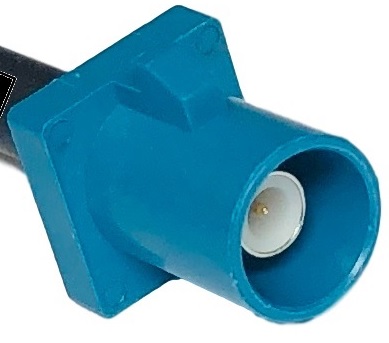
FAKRA Connector
Color-coded automotive standard. Infotainment, GPS, TPMS.
Guide →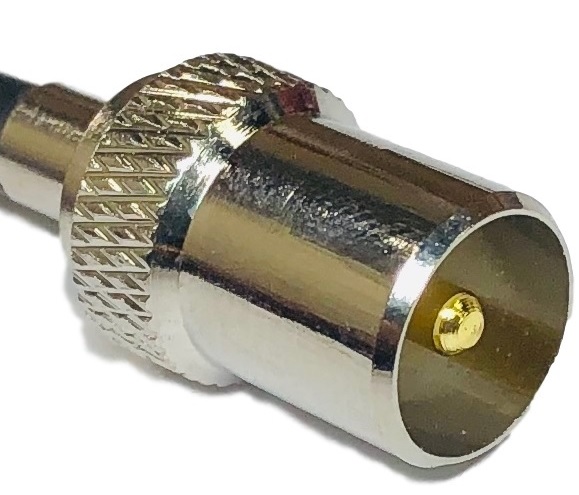
DVB-T / PAL Connector
75-ohm Belling-Lee plug. European TV, FM radio, OTA tuners.
Guide →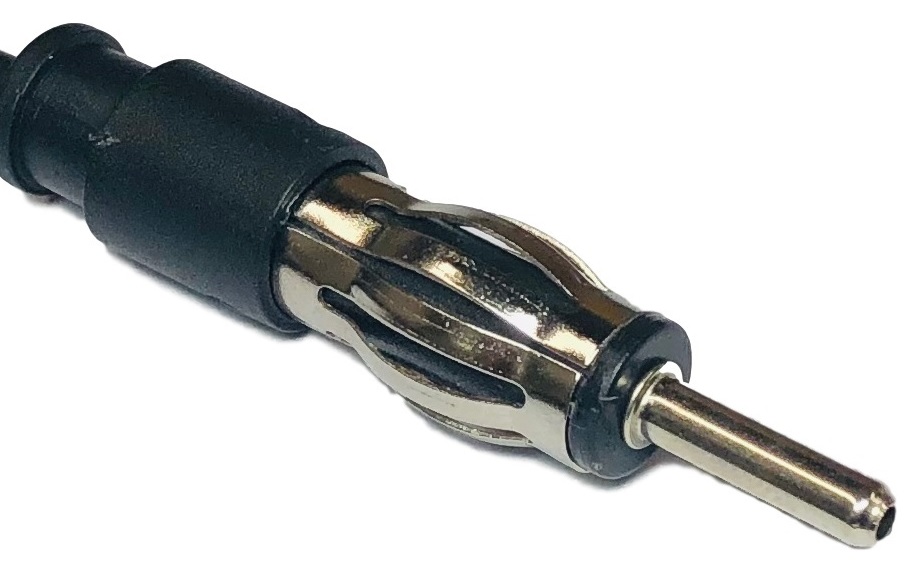
AM/FM Connector
Motorola-style car radio antenna. Factory and aftermarket head units.
Guide →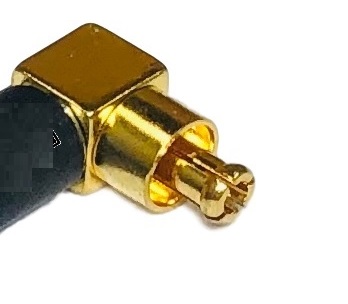
MC-Card Connector
Smaller than MMCX. PCMCIA cards and compact wireless modules.
Guide →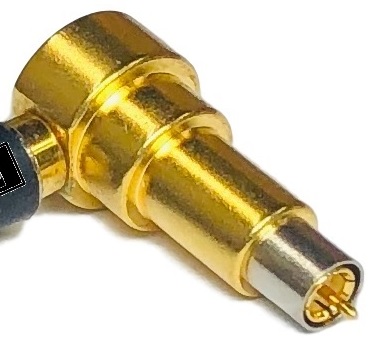
MS-156 Connector
Right-angle snap-on. Motorola and Kenwood portable radios.
Guide →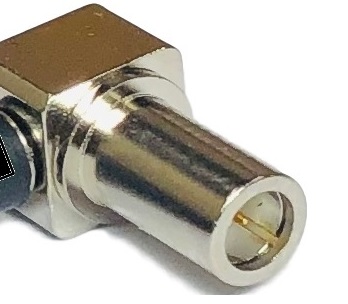
MS-147 Connector
Motorola proprietary. Older Motorola portable radio antenna ports.
Guide →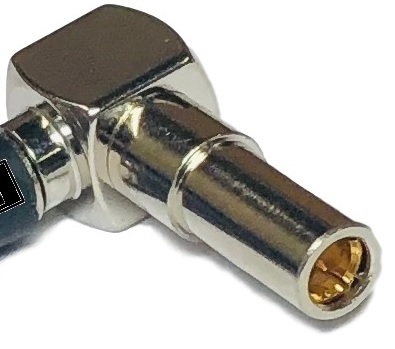
MS-162 Connector
Motorola right-angle variant for specific portable radio models.
Guide →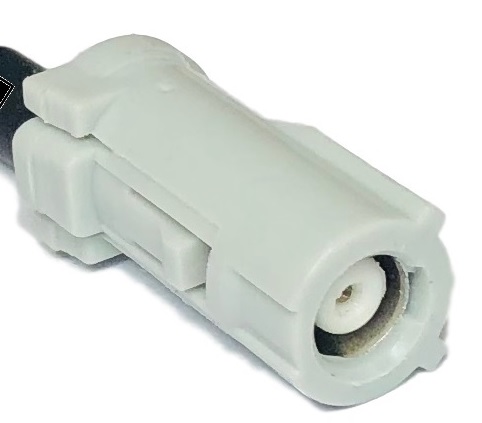
AVIC / Pioneer Jack
Pioneer AVIC GPS antenna connector. Not SMA or MCX compatible.
Guide →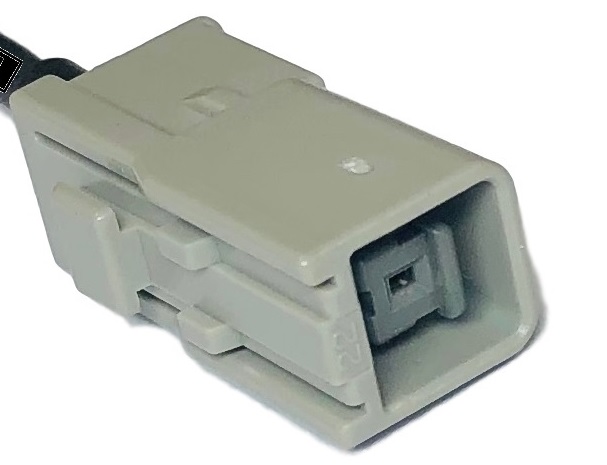
GT5-1S Connector
Snap-on. Kenwood and Icom handheld two-way radio antennas.
Guide →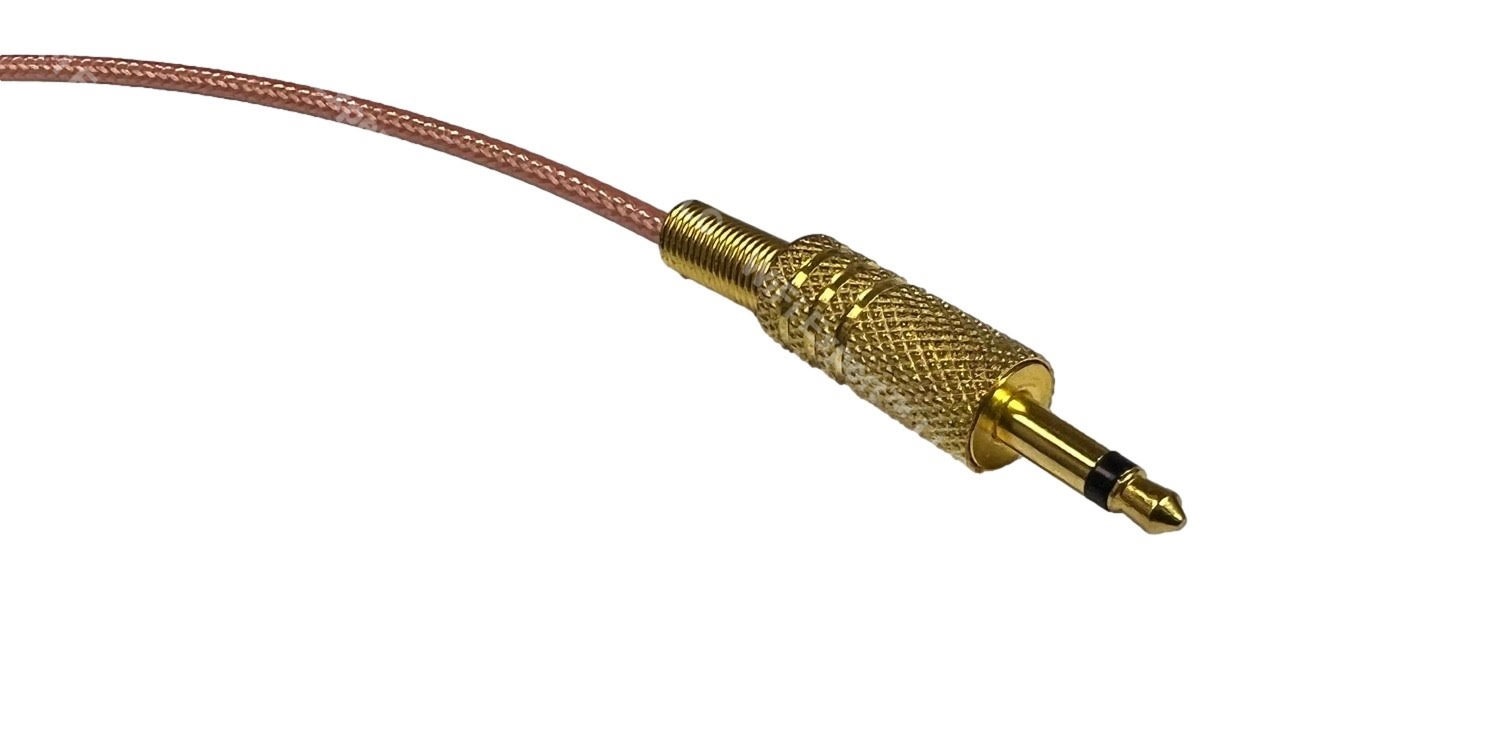
3.5mm RF Connector
Audio-style RF port on handheld radios and SDR receivers.
Guide →Cable Guides
30 cable types coveredFull technical breakdowns of every coaxial cable we stock — construction, attenuation data, power handling, comparisons, and when to choose each one.
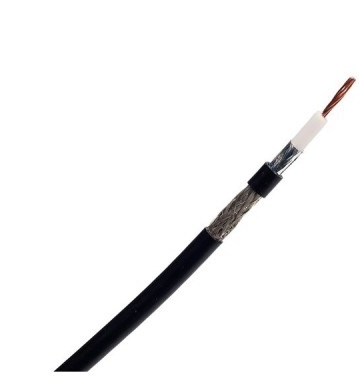
1.13
Thinnest coax available — used inside devices for PCB-to-connector pigtails and ultra-short internal routing to 6 GHz.
Guide →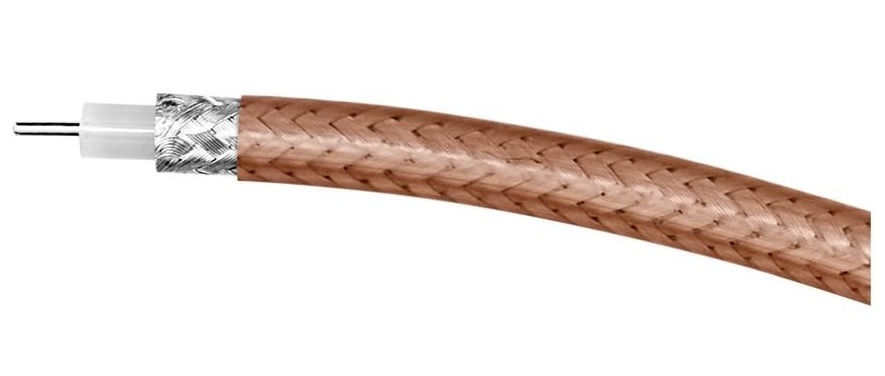
RG178
Ultra-thin PTFE coax for GPS antenna pigtails, WiFi card connections, and short routing inside equipment chassis.
Guide →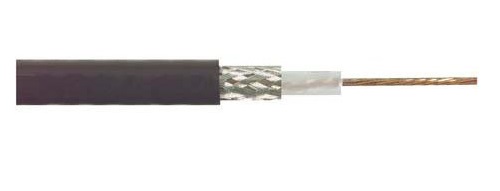
RG174
Classic thin flexible 50-ohm cable — go-to for consumer electronics pigtails, GPS cables, and short antenna leads.
Guide →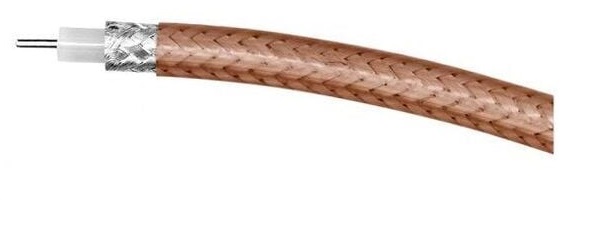
RG316
PTFE-jacketed thin cable rated to 3 GHz — the lab standard for SMA test leads, bench patch cables, and precision RF assemblies.
Guide →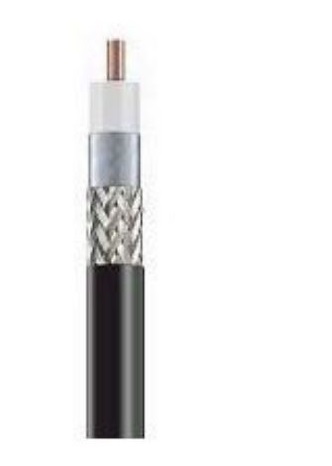
RFC100A
Compact 0.1" low-loss cable for SMA jumpers, short WiFi antenna connections, and instrument patch leads.
Guide →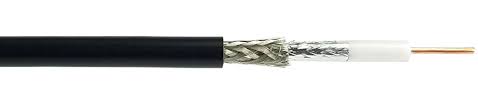
RFC195
Flexible 0.195" low-loss cable compatible with LMR-195 specs — popular for indoor WiFi and cellular booster installs.
Guide →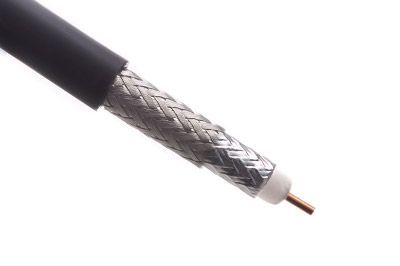
RFC240
Budget-friendly 0.240 low-loss cable matching LMR-240 performance — popular in ham radio and WiFi installations.
Guide →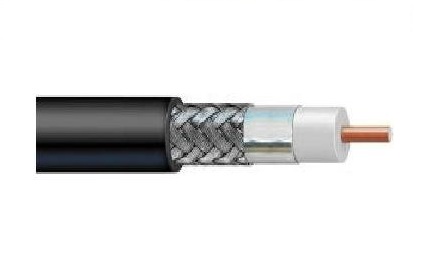
RFC400
LMR-400 equivalent at competitive pricing — same loss performance for ham radio base stations and commercial installs.
Guide →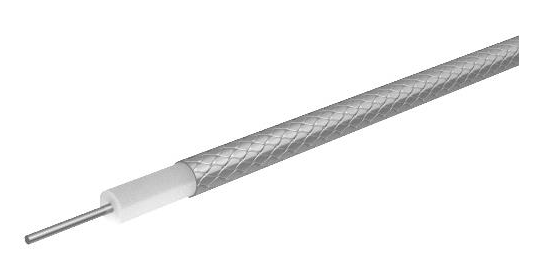
RG405
Semi-rigid 0.086" cable for the highest-frequency precision work — used in VNA calibration up to 20 GHz.
Guide →
RG405_BLUE
Conformable RG-405 for test setups requiring routing flexibility while maintaining phase stability to 20 GHz.
Guide →
RG402
Semi-rigid 0.141" cable with solid copper outer conductor — permanently shaped during installation for RF module interconnects.
Guide →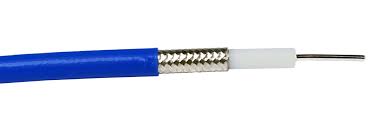
RG402_BLUE
Conformable re-bendable RG-402 with FEP jacket — easier to route than true semi-rigid while maintaining RF performance.
Guide →
RG58
The classic ham radio and CB cable — flexible, affordable, and widely available with PL-259 and BNC terminations.
Guide →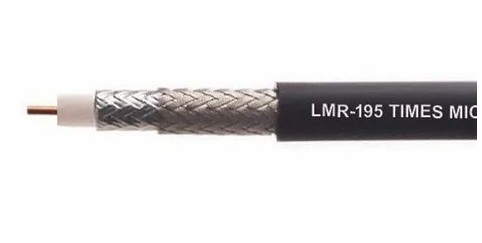
LMR195 Times
Times Microwave thin low-loss cable for WiFi antenna runs, vehicle NMO mounts, and cellular booster connections.
Guide →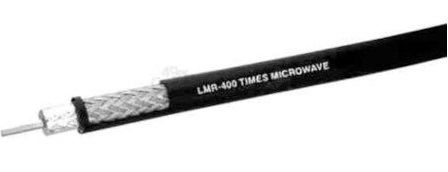
LMR400 Times
The industry-standard low-loss feedline for base stations, cellular boosters, and long antenna runs — the benchmark cable.
Guide →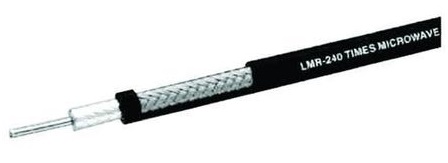
LMR240 Times
The sweet spot between size and signal loss for WiFi and cellular antenna runs — flexible, UV-resistant, excellent performance.
Guide →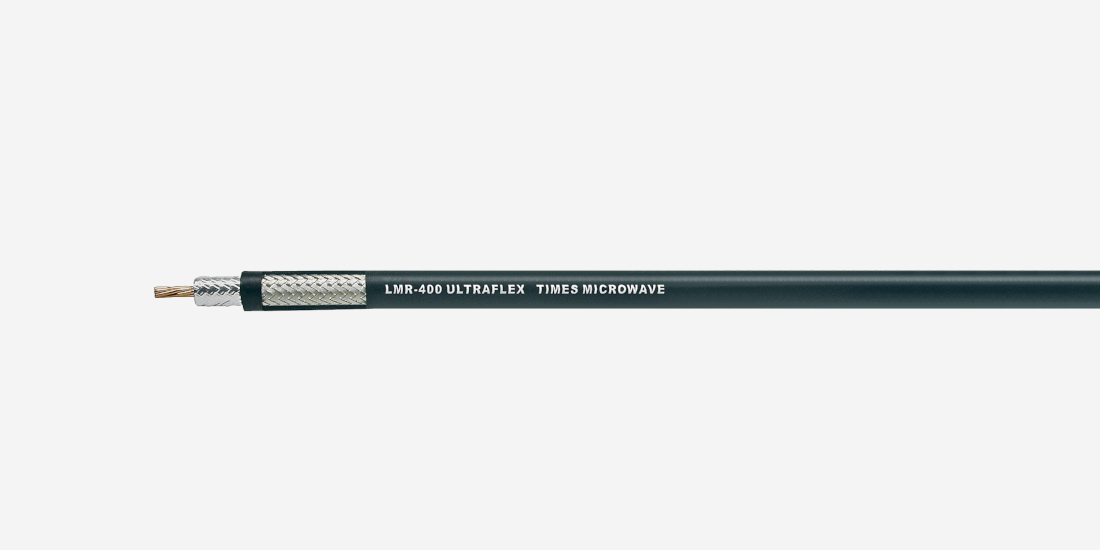
LMR400 ULTRA FLEX Times
Flexible stranded version of LMR-400 for equipment racks, mobile installs, and routing around sharp corners.
Guide →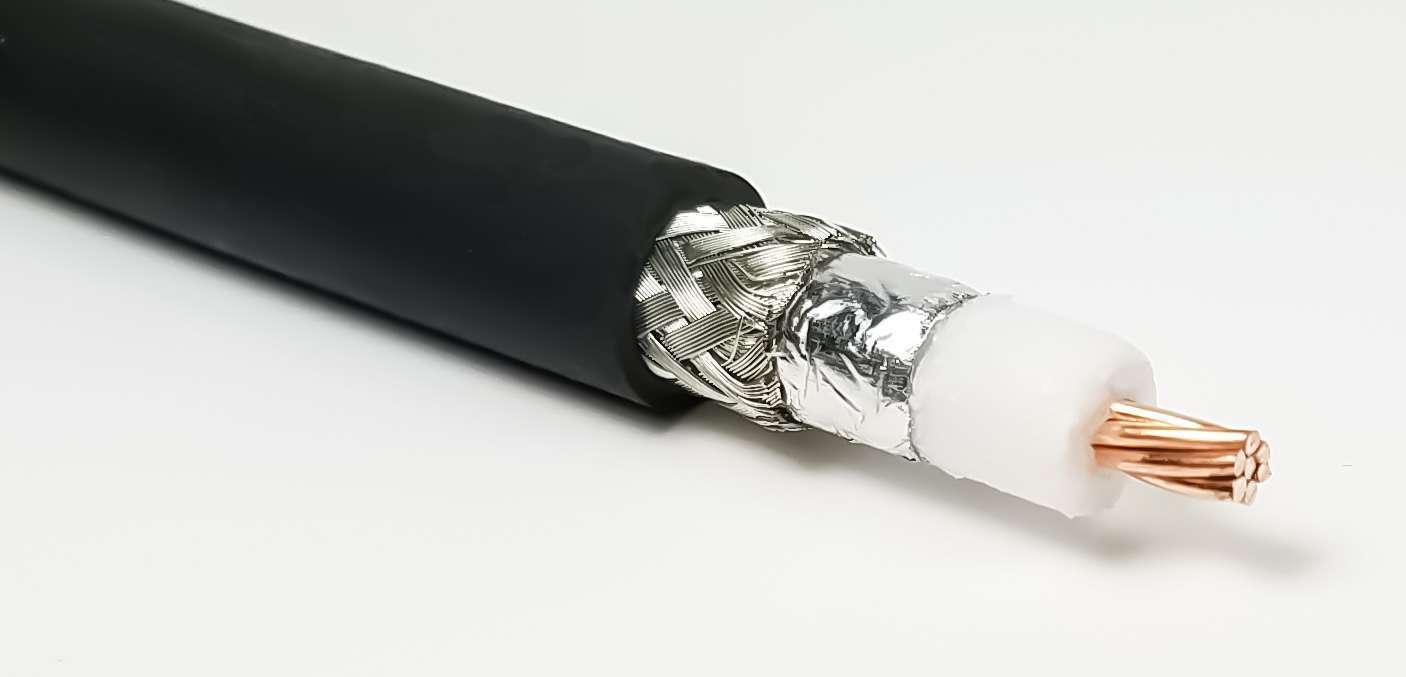
RFC400 ULTRA FLEX
Flexible 0.400 cable combining low loss with routing flexibility for installations where solid LMR-400 is too rigid.
Guide →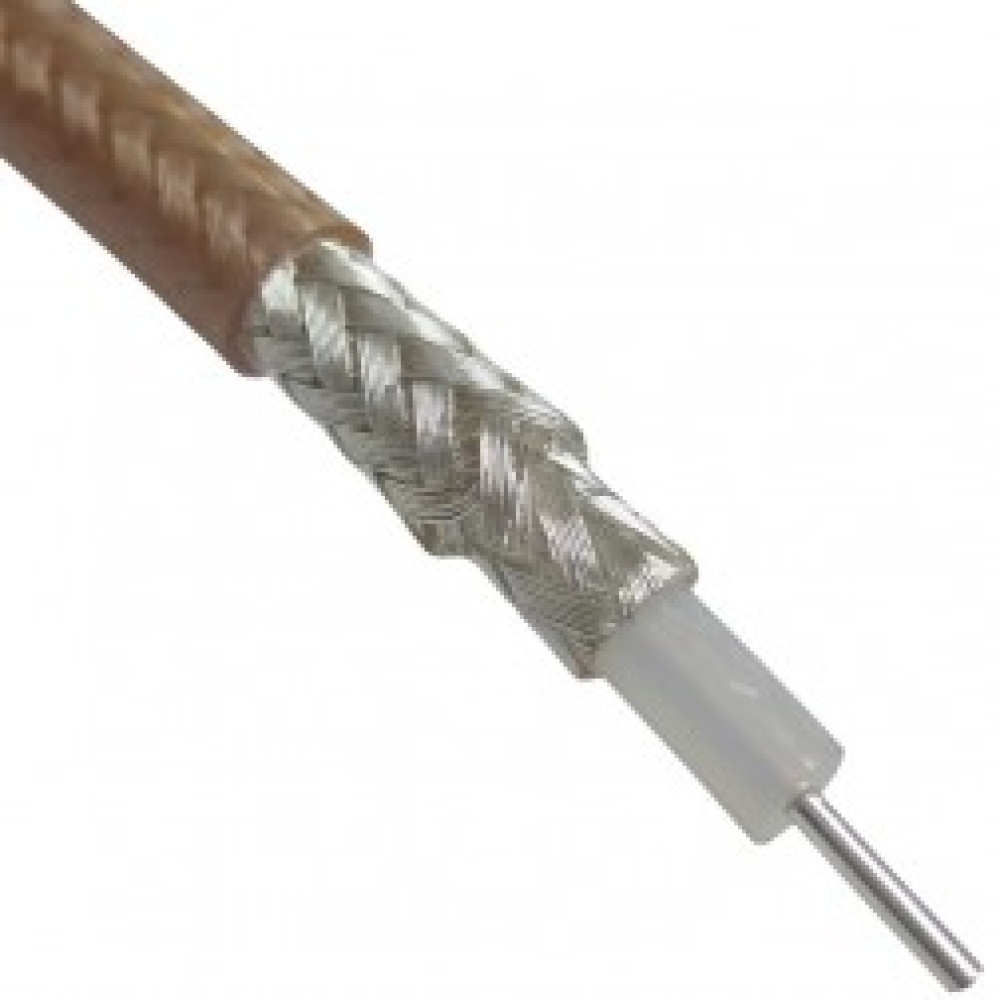
RG142
Military-spec double-shielded PTFE cable for NMO vehicle mounts, aerospace, and high-temperature environments.
Guide →
RG400
Double-shielded military specification cable for high-vibration and EMI-sensitive environments; MIL-C-17 construction.
Guide →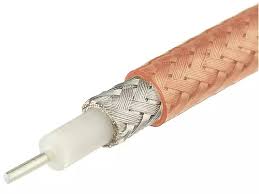
RG316DS
Double-shielded RG-316 for EMI-sensitive measurements and military applications where isolation is paramount.
Guide →
RFC600
Budget alternative to LMR-600 with equivalent diameter and near-identical loss performance for tower and commercial runs.
Guide →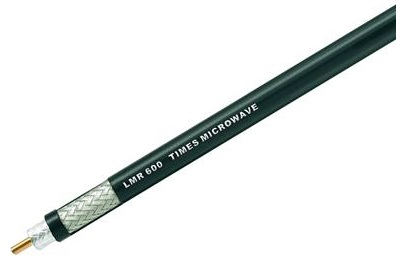
LMR600 Times
Largest low-loss cable for tower feedlines, broadcast transmitters, and commercial base stations requiring maximum performance.
Guide →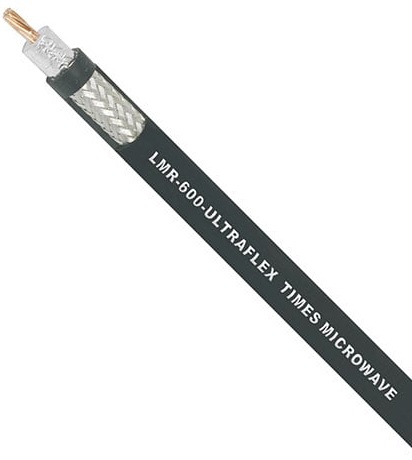
LMR600 ULTRA FLEX Times
Flexible stranded LMR-600 for rack equipment and installations where the solid-core cable cannot be routed.
Guide →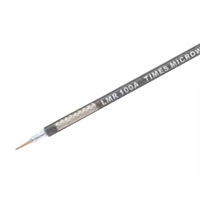
LMR100 Times
Times Microwave 0.1" flexible cable for WiFi antenna pigtails and IoT antenna connections at 2.4 GHz and 5 GHz.
Guide →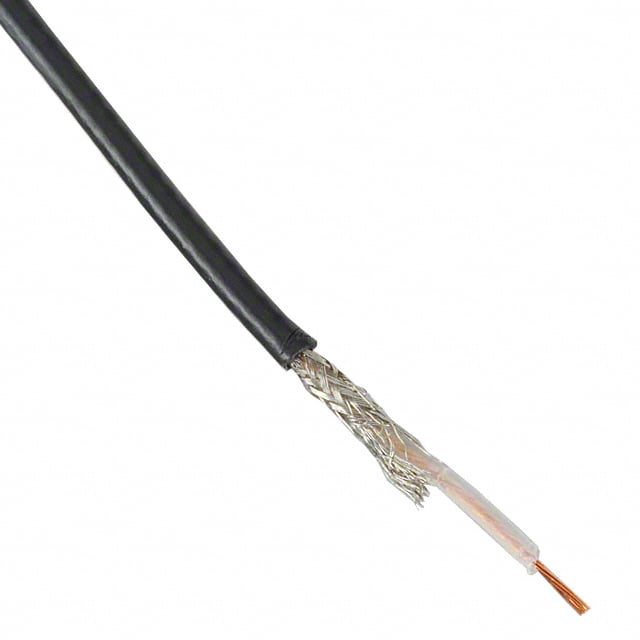
1.37
Ultra-thin 1.37mm coax ideal for GPS pigtails, hearing aid antennas, and internal device wiring requiring minimal bend radius.
Guide →
LMR240 ULTRA FLEX Times
Stranded-center LMR-240 with tighter bend radius for routing around obstacles and mobile vehicle installations.
Guide →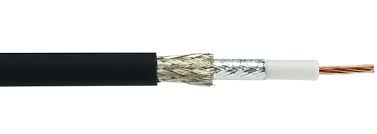
RFC240 ULTRA FLEX
Flexible stranded-core RFC-240 for installations requiring repeated flexing and tight conduit routing.
Guide →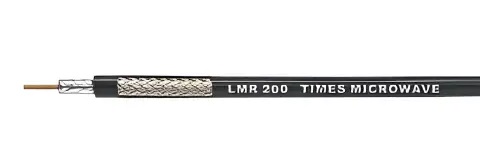
LMR200 Times
Slightly wider than LMR-195 with marginally better loss — popular for WiFi antenna extensions and cellular boosters.
Guide →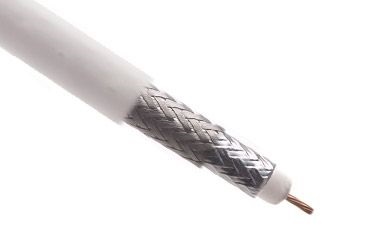
RGU178
Thin 0.06" coax for internal GPS and WiFi routing inside tight enclosures where standard RG-178 diameter is still too large.
Guide →Cable Comparisons
head-to-head guidesNot sure which cable to choose? These side-by-side comparisons cover the most common choices with specs, loss tables, and plain-English recommendations.
The most common upgrade question — when does LMR-400 justify the cost over the classic RG-58?
Compare →Same family, different size. When does the extra bulk of LMR-400 pay off over LMR-240?
Compare →Are these cables actually different? Specs, construction, and price compared side by side.
Compare →A practical upgrade for WiFi, VHF, and cellular — how much signal does LMR-240 save over RG-58?
Compare →Both are thin flexible cables — PTFE vs PVC and when each makes sense for pigtails and test leads.
Compare →Do you actually need LMR-600? A realistic look at when the bigger cable is worth the weight and cost.
Compare →Critical for WiFi and cellular short runs — the loss difference at 2.4 GHz is bigger than you think.
Compare →PTFE precision vs classic ham radio flex — which thin cable is right for your connector type?
Compare →Same loss, different handling — when the flexible version is worth the premium.
Compare →RFC-400 performance at a lower price vs the old standby — a clear upgrade for most installations.
Compare →Two cables built to the same spec — is there any practical reason to pay more for the brand name?
Compare →Both are mil-spec PTFE cables — the subtle differences between these two military-grade cables.
Compare →