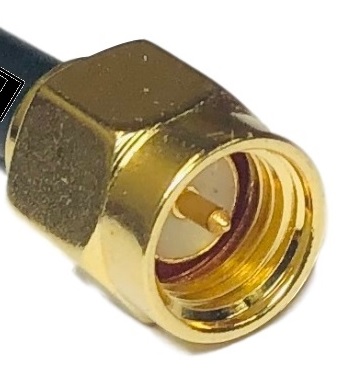
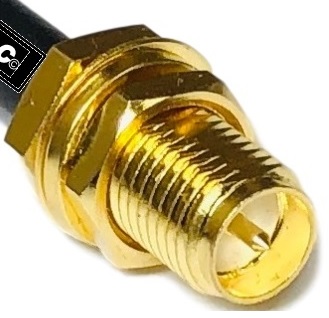
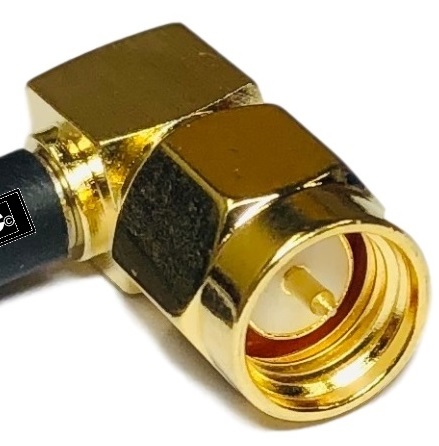
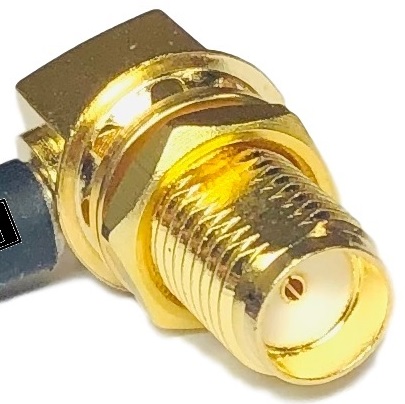
1.37 — SO239 UHF Female to TNC MALE
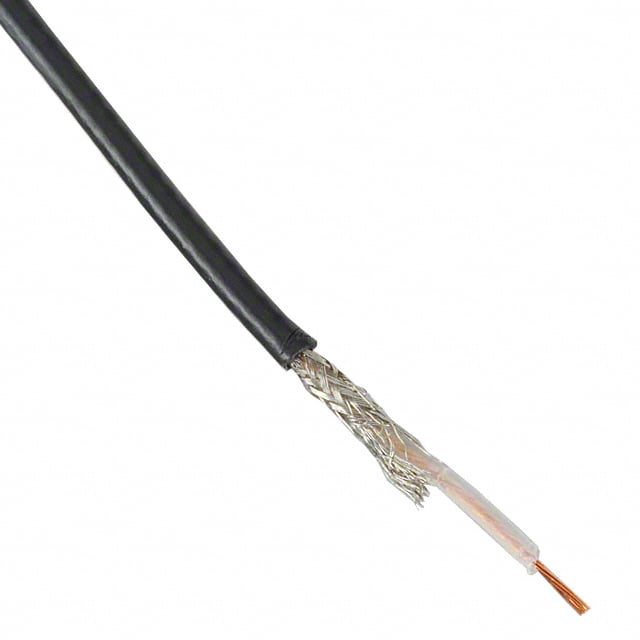
Cable
1.37
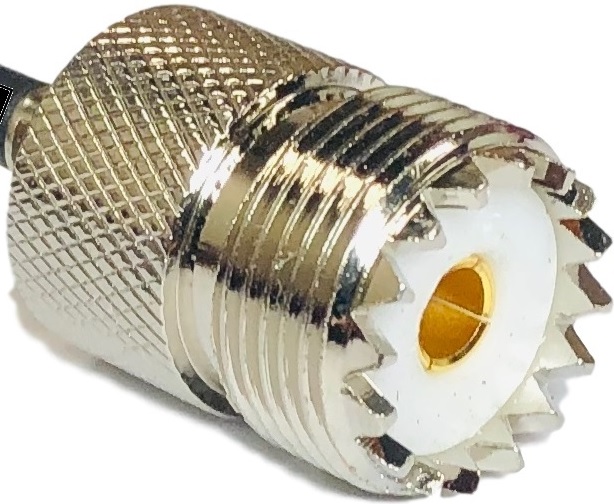
End A
SO239 UHF Female
$3.00
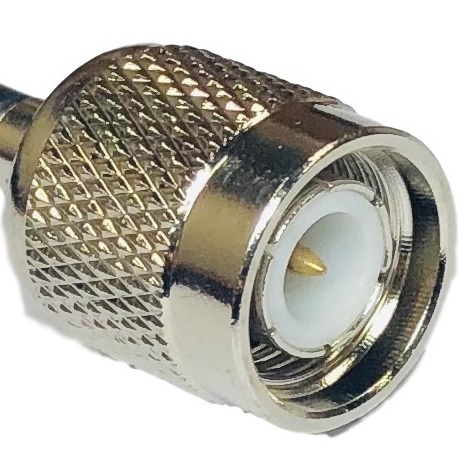
End B
TNC MALE
$1.00
Specs Summary
1.37 — SO239 UHF Female to TNC MALE
Made in USA
Assembled and tested in-house
Free Shipping
Fast, reliable delivery
Tested & Verified
Every cable tested before shipping
Easy Returns
30-day hassle-free returns
Need help choosing a cable?
Our RF experts are here to help you get the right fit.
Call an RF expert
1-661-200-0771
Email us
sales@wifiexpert.us
Need a custom cable?
Build your exact cable in seconds using our Cable Builder.
About This Assembly
Specs Summary
1.37 Cable
1.37mm coaxial cable is a miniature 50-ohm cable slightly larger than 1.13mm, balancing compact size with improved power handling and lower signal loss. Used for internal antenna leads in smartphones, routers, and IoT devices where the 1.13mm cable would be too lossy but space constraints still prohibit larger coax.
UHF Connector
The UHF connector (also known as PL-259 male / SO-239 female) is a large, low-cost RF connector designed in the 1930s for HF and VHF frequencies. Despite its name, its practical usable range is below 300 MHz due to its non-constant impedance design. It remains extremely popular in amateur radio (HF through VHF), CB radio, and marine radio applications.
TNC Connector
TNC (Threaded Neill–Concelman) is the threaded version of BNC, offering improved performance up to 11 GHz and better vibration resistance through its screw coupling. It is commonly used in mobile radio antennas, avionics, and outdoor installations where BNC's bayonet lock would not provide sufficient mechanical security.
Common Applications
This TNC and UHF cable assembly is well suited for internal antenna leads in routers, smartphones, and compact IoT devices. The combination of reliable TNC and UHF connectors and custom-cut cable length makes it a practical choice for both field installations and bench setups. Every assembly is hand-terminated, continuity tested, and ships free within the USA.
1.37 Signal Loss
Approximate attenuation at common RF frequencies.
| Frequency | Loss / 100 ft | Loss / ft |
|---|---|---|
| 100 MHz | 7.8 dB | 0.078 dB |
| 450 MHz | 16.5 dB | 0.165 dB |
| 900 MHz | 24 dB | 0.24 dB |
| 1.8 GHz | 35 dB | 0.35 dB |
| 2.4 GHz | 41 dB | 0.41 dB |
| 5.8 GHz | 67 dB | 0.67 dB |
Frequently Asked Questions
What is 1.37 coaxial cable used for?
1.37mm coaxial cable is a miniature 50-ohm cable slightly larger than 1.13mm, balancing compact size with improved power handling and lower signal loss. Used for internal antenna leads in smartphones, routers, and IoT devices where the 1.13mm cable would be too lossy but space constraints still prohibit larger coax.
What is the signal loss of 1.37?
At 1800 MHz, 1.37 has approximately 35 dB of loss per 100 ft (0.35 dB/ft).
What frequency range does this assembly support?
This assembly is rated DC – 300 MHz, limited by the lowest-rated component across the cable and connectors.
What is a UHF connector?
The UHF connector (also known as PL-259 male / SO-239 female) is a large, low-cost RF connector designed in the 1930s for HF and VHF frequencies. Despite its name, its practical usable range is below 300 MHz due to its non-constant impedance design. It remains extremely popular in amateur radio (HF through VHF), CB radio, and marine radio applications.